

Key points:
- Adolescence brings unique autism teen challenges that require targeted support in social, emotional, and daily living skills.
- Independence training during the teen years creates lasting habits that ease the transition into adulthood and reduce family stress.
- Practical, consistent strategies at home and school are the most effective tools for building teenage social skills and self-regulation.
The teenage years are demanding for any young person, but for those on the autism spectrum, this period introduces a unique set of pressures. Shifting social expectations, increased academic demands, puberty, and growing independence create layers of complexity that require thoughtful, consistent support.
Families often find themselves wondering how to help their child not just survive adolescence, but genuinely thrive through it. Understanding the autism teen challenges your family is navigating is the first step. Whether your teen is working on making friends, managing their emotions, or handling everyday tasks at home, targeted strategies exist for each of these areas.
If you are new to structured support options, exploring applied behavior analysis services can offer a strong foundation. This article outlines the key skills teens with autism need and how you can support their growth.
Why Adolescence Is a Pivotal Time for Teens on the Spectrum
During the teen years, children are expected to manage more independently, form deeper social relationships, and regulate increasingly complex emotions. For teens with autism, these expectations can feel overwhelming without the right scaffolding. Research shows that autism-related support needs do not diminish during adolescence.
In many cases, the gap between what is socially expected and what comes naturally becomes more visible during this stage. Peers are developing nuanced communication styles, unspoken social rules multiply, and the stakes of social misreads feel higher.
This is also when co-occurring mental health challenges, such as anxiety and depression, are most likely to emerge.
Studies indicate that more than 40 percent of individuals with autism experience significant anxiety, with adolescence being a particularly vulnerable period. Understanding this backdrop helps families and educators approach teens with patience rather than frustration, and with targeted tools rather than blanket expectations.
Building Teenage Social Skills That Actually Stick
Social skills for teens with autism are best taught explicitly and practiced repeatedly in real-world situations. Unlike neurotypical peers who absorb many social cues through observation, autistic teens often need direct instruction on the unwritten rules of social interaction.
What to Focus On
- Understanding conversational reciprocity, taking turns, and recognizing when to shift topics
- Reading facial expressions and tone of voice in low-pressure, structured practice environments
- Navigating group dynamics, including how to enter and exit group conversations
- Practicing conflict resolution and how to repair social missteps
Social skills groups designed specifically for teens on the spectrum can be remarkably effective. These settings allow for guided practice with peers who share similar challenges, reducing the social pressure while still building real skills.
Programs grounded in evidence-based methods tend to produce the most durable outcomes, with gains that carry over into school, community, and eventually the workplace.
Parents play a critical role by creating low-stakes opportunities at home. Role-playing conversations, reviewing social scenarios after events, and discussing social situations your teen observes in TV shows or videos can all reinforce what is being learned in a therapeutic setting.
Self-Regulation: The Foundation of Everything Else
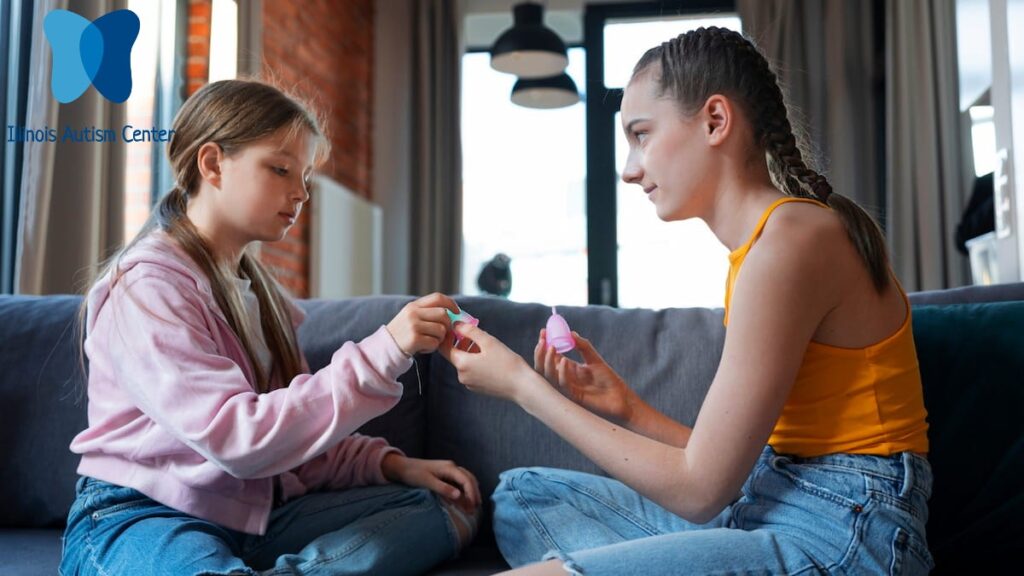
Self-regulation refers to the ability to manage emotions, impulses, and arousal levels in response to the environment. For teens with autism, difficulties with self-regulation can affect every area of life, from academic performance to friendships to family relationships. The good news is that self-regulation is a skill that can be built over time with the right support.
Practical Self-Regulation Strategies
- Identify your teen’s specific triggers and work with them to develop personalized coping plans
- Teach and practice calming strategies, such as deep breathing, movement breaks, or access to a sensory tool, before a crisis occurs
- Use visual schedules and predictable routines to reduce anxiety from the unexpected
- Gradually expose your teen to manageable levels of stress with support, building their window of tolerance over time
Many families find that working with a therapist who understands autism helps enormously in developing a self-regulation plan that is realistic for their teen’s profile.
Consistency between home, school, and therapy settings is key because skills practiced in one context do not always transfer automatically for autistic individuals.
Independence Training: Starting Earlier Than You Think
Independence training is not something that happens all at once. It is a gradual process of building skills and confidence so that teens can eventually manage their own lives with minimal support.
The teen years are the ideal window to begin working intentionally on this, well before the transition to adulthood.
Life Skills to Target During the Teen Years
- Personal hygiene routines, including independent management of puberty-related care
- Meal preparation, from simple snacks to basic cooking skills
- Money management, including understanding how to handle a debit card or budget for a purchase
- Using public transportation or understanding navigation apps
- Managing a schedule, including waking up independently and meeting deadlines
- Communicating with adults outside the family, such as teachers or store employees
Breaking each of these down into small, teachable steps using a task analysis approach makes them far less overwhelming. Independence training is most effective when it is built into daily life consistently, rather than saved for a weekly lesson. The goal is not perfection but gradual, sustainable progress.
How to Support Emotional Development in Autistic Teens
Emotional development in autistic teens often looks different from that of their neurotypical peers, and that is completely okay. Many autistic teens experience emotions intensely but struggle to identify or express them in ways others recognize. This is sometimes referred to as alexithymia, a reduced ability to identify and describe one’s own emotions, which is common across the autism spectrum.
Creating a home environment where emotions are talked about openly and without judgment helps teens feel safe enough to express themselves. Using concrete language to name emotions, using tools like emotion wheels or feelings charts, and modeling healthy emotional expression yourself all contribute to your teen’s emotional growth.
Avoid pushing your teen to explain why they feel a certain way in the moment. Instead, revisit emotional topics once they have calmed and are more regulated.
Partnering With Schools to Support Your Teen

School is where many of the challenges of adolescence play out most visibly. Advocating for the right supports in your teen’s IEP or 504 Plan is an important part of ensuring they have what they need to succeed. Supports might include social skills instruction, sensory accommodations, modified assignments, or access to a counselor or resource room.
Regular communication between parents, teachers, and support staff helps catch issues early and ensures strategies are consistent. Ask for collaboration meetings at least quarterly, not just at annual IEP reviews, to stay ahead of emerging challenges.
Teens themselves should be increasingly involved in these conversations as they move through high school, building the self-advocacy skills they will need in adulthood.
Frequently Asked Questions
At what age should independence training begin for teens with autism?
Independence training can start as early as the preteen years, around ages 10 to 12. Small, consistent daily tasks build the foundation so that teens are not overwhelmed by large skill gaps as young adults.
How can I help my teen with autism make friends?
Look for structured social opportunities such as autism-specific clubs, social skills groups, or shared-interest activities. These settings reduce pressure while offering a genuine connection with peers who have similar experiences.
What is the best way to handle meltdowns in autistic teenagers?
Prioritize safety and staying calm. Avoid demands or reasoning during the meltdown. Afterward, work with your teen and a therapist to identify triggers and build a proactive plan to address them.
Can autistic teens learn to manage their own emotions independently?
Yes, with consistent support and practice. Many teens make significant gains in self-regulation with structured strategies, therapy, and a predictable home environment that supports their sensory and emotional needs.
Is it normal for autism challenges to increase during the teen years?
It can appear that way as social and environmental demands increase significantly. The underlying profile has not changed, but the gap between expectations and abilities may become more visible. Early support during this window makes a meaningful difference.
Help Your Teen Build Confidence That Lasts Beyond Today
The teenage years can bring new layers of complexity, especially when autism teen challenges intersect with growing expectations for independence. With the right support, teens can strengthen their social skills, improve self-regulation, and develop routines that carry into adulthood.
Illinois Autism Center works closely with families to create practical independence training plans that reflect each teen’s goals, strengths, and daily environments. Clinicians guide skill-building across home, school, and community settings, helping teens practice communication, decision-making, and emotional awareness in real-life situations.
If your teen is ready to take meaningful steps toward independence, reach out to explore a plan that supports steady, confident growth.