
Key Points:
- Signs of autism in toddlers often appear in how a child communicates, interacts, and plays.
- Early red flags include limited eye contact, lack of response to name, delayed speech, few gestures like pointing or waving, repetitive movements (like hand-flapping), and strong reactions to sensory input or routine changes.
- These signs can emerge as early as 12–18 months.
Parents of toddlers often feel a quiet worry that something in development seems “off” but hard to name. Early autism signs can look like small differences in eye contact, play, or language that are easy to brush off as personality.
When families understand what to watch for, those signals become a clearer picture that guides the next steps, rather than months of guessing. Learning these signs gives you practical tools to track concerns, ask specific questions at appointments, and move toward support instead of waiting in uncertainty.
Why Are Early Autism Signs in Toddlers So Important?
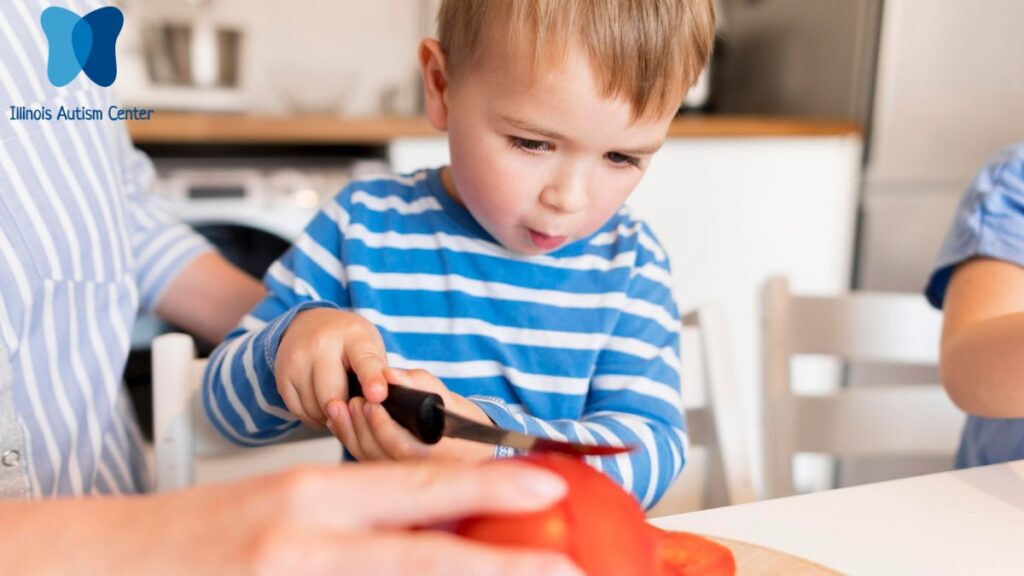
Autism now affects a large number of children, and early years shape how much support they receive. Recent CDC monitoring shows autism is identified in about 1 in 31 U.S. children, highlighting how common it is for families to face these questions. Early autism signs help families notice patterns before preschool so children do not have to wait years for help.
Parents usually lead the way in spotting concerns. Research shows parents are the first to raise worries in up to 80% of children later diagnosed with autism, often during the first two years of life, while the average age of diagnosis still hovers around 3.5 to 5 years. That gap between first concern and diagnosis can lead to missed opportunities for early support.
The Importance of Early Intervention in Autism
Early intervention autism services work best when they start while the brain is rapidly building new connections. Studies consistently show that intensive early support improves language and thinking skills, as well as core autism traits, in young children, especially when parents are actively involved.
Early autism signs do not guarantee an autism diagnosis, but they give a strong reason to ask for screening instead of hoping children “catch up” on their own.
Families can think of early signs as helpful indicators rather than labels. When you notice patterns early, you gain more time to explore evaluations, understand your child’s learning style, and plan the right support for home, childcare, and later school.
What Developmental Milestones Point to Possible Delays?
Toddlers grow fast, and every child has a unique pace, but certain milestones give useful landmarks. These milestones cover communication, social skills, and play rather than just one skill, such as early counting or letter recognition.
By around 18 months, most toddlers try to say at least three words besides “mama” and “dada” and can follow simple directions like “give me the ball” without gestures. By 18–24 months, many toddlers use more new words, point to show you things, imitate everyday actions, and enjoy simple pretend play such as feeding a doll.
When several of these skills lag at the same time, it may point to broader developmental delays rather than a single speech issue. Some milestone areas to watch include:
- Language and understanding: Uses few or no meaningful words, struggles to follow simple directions, or stops using words they used before.
- Social connection: Rarely looks at caregivers’ faces, does not share excitement by pointing or showing toys, or does not respond to their name consistently.
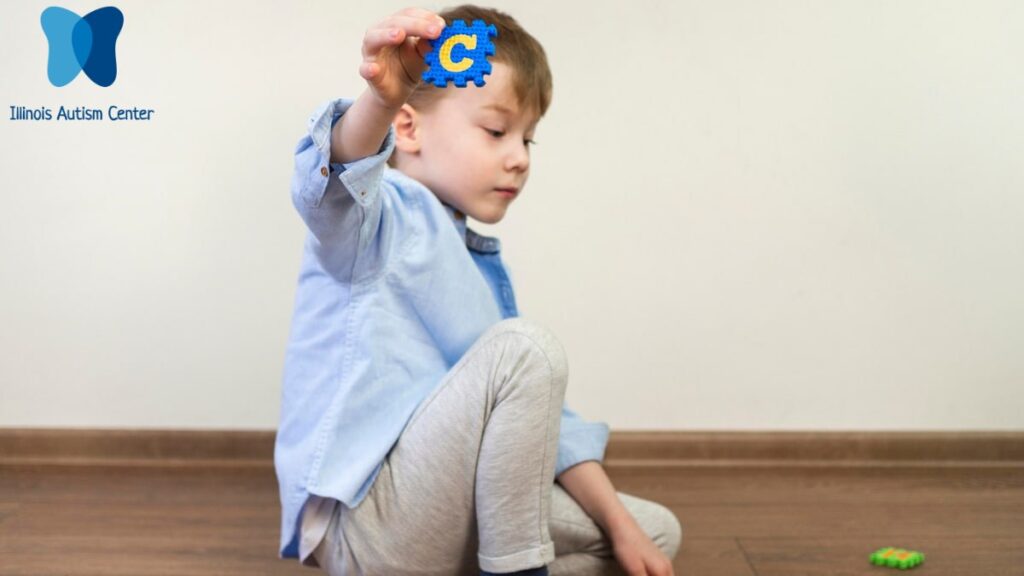
- Play and imagination: Uses toys in the same limited way, such as only spinning wheels or lining items up, and shows little interest in pretend play.
Any single delay can occur in toddlers who do not have autism, especially in bilingual homes or after frequent ear infections. Patterns across several areas, or skills that stall over months, give a clearer signal to bring up at the next pediatric visit.
Early Autism Signs in Communication and Social Interaction
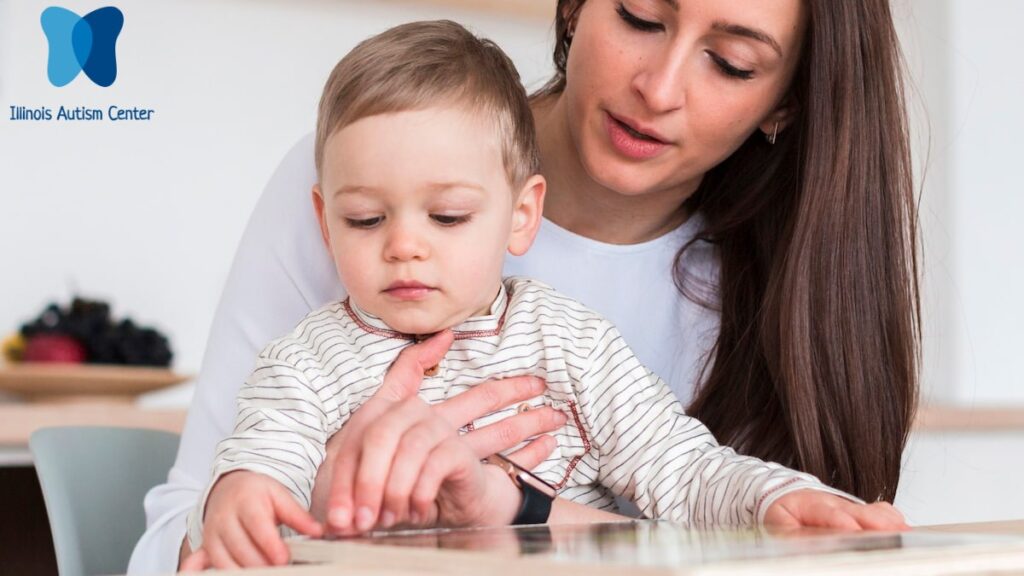
Early autism signs often appear first in how toddlers communicate and connect with others. These signs involve the “back and forth” of interaction more than vocabulary lists or how clearly a child pronounces words.
Common social and communication signs include:
- Limited eye contact and facial engagement: Looks through people or glances quickly away instead of holding a steady, comfortable gaze.
- Reduced response to name: Often does not turn when called, even when hearing is normal, yet responds quickly to favorite songs or screen sounds.
- Few gestures: Rarely points to show something interesting, waves, or raises arms to be picked up, which are typical toddler ways of communicating wants.
- Less shared enjoyment: Brings toys to adults mainly for help, not to share excitement, and may play nearby without seeking interaction.
- Unusual language patterns: Repeats phrases from shows, echoes questions instead of answering, or uses a formal tone in simple situations.
Families who live day to day with the child often have the best view of how often these behaviors occur and how strongly they stand out compared to other toddlers. Writing down specific examples and how often they occur helps the pediatrician decide whether to use a formal autism screening tool.
Behavioral and Sensory Autism Red Flags at Age 2
Autism red flags age 2 often show up in repetitive behaviors and strong reactions to sensory input. These behaviors can be easy to miss because, in general, toddlers like repetition and can be picky about textures or routines. For children on the autism spectrum, the intensity, frequency, and impact on daily life usually look different.
Some toddlers focus for long periods on toy parts, such as spinning wheels or opening and closing doors, and become very upset when interrupted. Others seem unbothered by pain yet melt down at the sound of a blender or the feel of certain clothing tags.
Common behavioral and sensory signs include:
- Repetitive movements: Flapping hands, rocking, spinning, or pacing, especially when excited, upset, or overwhelmed.
- Unusual play with toys: Lining objects up, sorting by color or shape only, or focusing on tiny parts instead of using toys in pretend play.
- Strong need for routine: Distress with small changes in schedules, routes, or objects, such as a different cup or a new seat at the table.
- Sensory sensitivities: Covering ears for everyday sounds, gagging on certain textures, avoiding touch, or seeking strong input like crashing into furniture.
- Unusual sensory seeking: Staring at spinning fans, watching light patterns, sniffing objects repeatedly, or mouthing non-food items beyond the toddler stage.
Each behavior alone can appear in toddlers who do not have autism. When several of these behaviors cluster and cause frequent meltdowns or limit daily activities, they warrant closer examination as part of a broader checklist.
How Do You Move From Worry to Early Help?
An early warning checklist becomes most helpful when it guides action. Parents can use their observations to prepare for pediatric visits, so conversations focus on specific examples instead of general worries.
A helpful first step is to track behaviors for a few weeks. Short notes or phone videos during everyday life often capture patterns better than trying to remember everything in the clinic.
Practical ways to use an early warning checklist include:
- Record specific examples: Note what happened, where, and how your child reacted instead of general phrases like “often upset.”
- Track how often signs appear: Mark whether a behavior happens daily, weekly, or only during certain situations.
- Include strengths as well as concerns: List what your child enjoys, how they communicate, and where they shine.
- Share videos: Bring short clips of play, mealtimes, or routines that show the behavior you are worried about.
- Ask for referrals: Request a developmental evaluation or referral to local early intervention services if concerns persist.
Autism can often be reliably diagnosed by age 2, but in many places, the average age of diagnosis and first intervention still falls around 4–5 years, which delays support.
Research shows that children who begin structured services earlier often show stronger language and daily living skills over time than those who start later. Acting on early autism signs does not close doors; it opens more options for how to support your child.
Frequently Asked Questions
Can a 1-year-old already show signs of autism?
Yes, a 1-year-old can show early signs of autism. Signs include limited eye contact, few shared smiles, no response to name, or not pointing to show interest after 12 months. While diagnosis is rare this early, these patterns should be discussed with a pediatrician for closer monitoring.
Do all toddlers with speech delay have autism?
No, not all toddlers with speech delay have autism. Some speak late due to hearing, environment, or other developmental factors. Autism is more likely when speech delay combines with social challenges, few gestures, or repetitive behavior. Early speech and developmental evaluations help clarify the cause.
Who can diagnose autism in a toddler?
Autism in toddlers is diagnosed by developmental pediatricians, child neurologists, child psychologists, or multidisciplinary teams. Pediatricians begin with screening and refer for full evaluation. Early intervention programs can also assess and guide next steps based on developmental concerns.
Take Action on Early Signs and Build Support Around Your Child
Recognizing early autism signs in toddlers gives families a chance to respond while children are still in the most flexible stage of development. ABA therapy services in Chicago, Illinois, can turn those early observations into structured support that builds communication, play, and daily living skills over time.
At Illinois Autism Center, clinicians provide personalized, evidence-based ABA therapy for children with autism and work closely with caregivers so strategies used in sessions carry over into home and community life. Programs draw on research-backed methods that strengthen language, social connection, and coping skills in developmentally appropriate ways.
If you are ready to move from worry to a clear plan, reach out to us to learn how a tailored ABA program can help your toddler grow with more support and fewer unanswered questions.