
Key Points
- ABA therapy teaches meaningful skills using structured and natural techniques that support communication, independence, and positive behavior.
- Families learn how ABA strengthens everyday routines by focusing on practical steps and real progress.
- This guide explains methods, benefits, and what parents should expect when beginning ABA services.
It is natural to feel unsure when you first hear about ABA therapy or wonder whether it can help your child. Many parents stand in this same place, searching for clarity about what to expect. These questions can feel heavy, yet the path forward becomes clearer once ABA methods are explained in simple, practical terms.
This guide walks you through the core techniques used in ABA therapy, including natural environment teaching and behavior reinforcement strategies that support real progress. Understanding how these tools work helps you feel confident in the steps ahead. Early knowledge matters, and so does knowing you are not alone. Read on to learn what ABA therapy truly looks like in daily life.
What ABA Therapy Actually Is
ABA therapy is a structured, research based approach that studies how learning and behavior work. It focuses on teaching meaningful skills that help a child become more independent in everyday life. The foundation comes from decades of research in learning science, including studies cited by national health and education organizations that show ABA improves social behavior, communication, and skill acquisition for many children.
ABA is not a one size fits all approach. Every treatment plan is personalized. Goals might include improving communication, supporting emotional regulation, reducing challenging behavior, increasing independence, or strengthening social interaction. Therapists design strategies based on how the child learns best, using data to guide each step.
Key Principles Behind ABA
Parents often find ABA clearer when understood through its core principles:
- Behavior is influenced by the environment.
- Learning happens through repetition and positive experiences.
- Small, achievable steps lead to long term progress.
- Skills are practiced in different settings to build real independence.
These principles help create a predictable and supportive learning environment.
Common ABA Teaching Techniques
ABA therapy uses structured and natural approaches to teach skills. The following are among the most widely used and well researched methods in ABA programs.
Using structured teaching approaches
One of the most familiar ABA techniques is bold discrete trial training, a structured method that breaks skills into small steps. Each step is taught one at a time, with clear instructions and repeated practice. Research from education based institutions shows this method is effective for teaching language, early learning skills, and daily routines. Children receive positive responses when they get something correct, which strengthens confidence and learning.
Parents often appreciate this approach because it provides a predictable learning path. Every small step is measured and adjusted to ensure the child progresses at a pace that works for them.
Learning naturally during everyday interactions
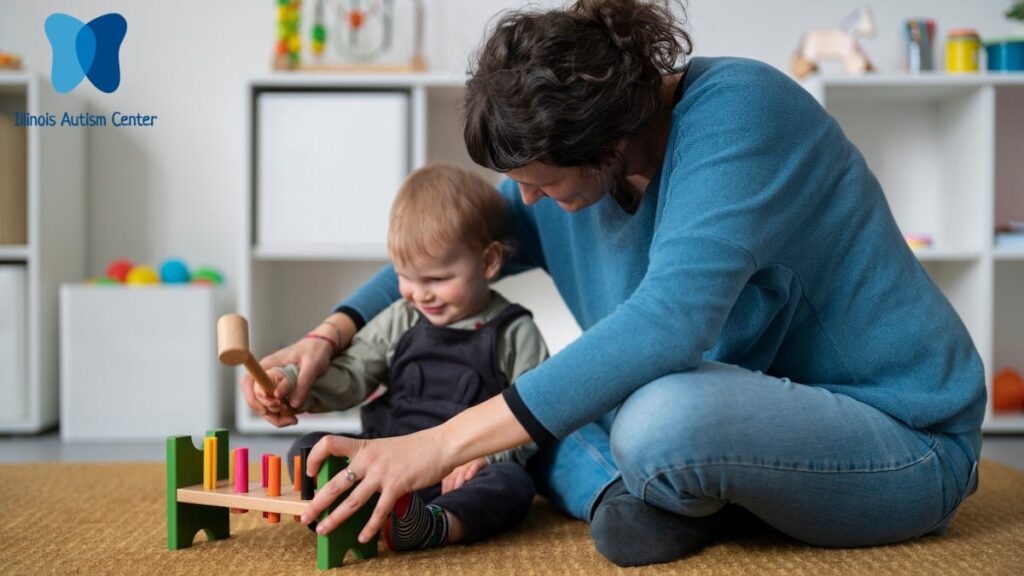
While structured practice is helpful, children also learn through natural activities. This is where bold natural environment teaching comes in. It focuses on practicing skills during play, meals, outings, or conversations. Instead of sitting at a table, the child learns communication and problem solving in the setting where they naturally occur.
Research from developmental organizations shows that learning in natural environments improves generalization. This means the child uses skills more independently across different places, such as school, home, or community settings.
Explaining ABA methods in simple terms for families
Parents often ask for bold ABA methods explained in a simple way. ABA relies on the idea that behavior improves when it is taught clearly, practiced often, and rewarded meaningfully. It includes strategies like modeling, prompting, teaching through play, and gradually helping a child take more control of a skill.
Examples of how ABA methods help:
- Teaching a child to request items instead of crying.
- Practicing transitions using visual supports.
- Building social turn taking during games.
- Strengthening emotional understanding through role play.
These techniques are flexible and tailored to each child.
Strengthening learning with positive responses
A core part of ABA is bold behavior reinforcement, a method supported by extensive research through government funded behavioral studies. Reinforcement means providing something meaningful to the child after they show a desired behavior. It increases the chance they will repeat it.
Examples of reinforcers include:
- Verbal praise
- Access to a favorite activity
- Small rewards
- More time with a preferred item
Reinforcement is never used as punishment. Instead, it focuses on building motivation and confidence.
What an ABA Evaluation Looks Like
Before therapy begins, families go through an assessment. The evaluation is detailed but designed to make the child comfortable. It may include observing natural play, reviewing developmental history, and asking parents about goals. Assessments often reference standardized tools researched through educational institutions to ensure accuracy.
The clinician uses this information to create a treatment plan that matches the child’s needs. Parents are involved throughout the process and can help suggest goals based on everyday challenges.
How ABA Goals Are Created
Once the assessment is complete, therapists develop measurable goals. These goals often address communication, safety, daily living skills, social interaction, and emotional regulation. Goals are written clearly so progress can be tracked.
Examples of ABA goals include:
- Requesting help using words or gestures
- Following simple directions
- Brushing teeth with less assistance
- Using coping strategies during frustration
- Playing cooperatively with peers
Each goal has teaching steps that break skills into small, manageable parts. This helps the child avoid feeling overwhelmed and increases success.
What Parents Can Expect During ABA Sessions

ABA sessions vary depending on the child’s needs, but they typically include a balance of structured learning and natural activities. Parents often observe:
One to one support
Most sessions begin with one to one instruction. The therapist may practice communication, early learning, emotional skills, or social routines. Using bold discrete trial training, the child learns new skills in a clear and focused setting.
Natural activities
To help the child generalize skills, therapists use bold natural environment teaching during play, snack time, or outdoor activities. The child practices communication, social engagement, and coping strategies in meaningful moments.
Positive reinforcement
Therapists use bold behavior reinforcement to encourage participation, reduce frustration, and build confidence. Reinforcement might include praise, short breaks, or access to a preferred item.
Data tracking
While the child learns, the therapist collects data to measure progress. This ensures that teaching methods remain effective and allows adjustments when needed.
Parent communication
Parents receive updates, guidance on home strategies, and support to help continue progress outside therapy. Many programs offer caregiver training to strengthen consistency at home.
Why ABA Therapy Is Effective
Research consistently describes ABA therapy as an evidence based approach for children with autism. Studies from educational and government funded research centers report that ABA improves communication, adaptive behavior, and cognitive functioning for many children. Early intervention, combined with consistent practice, increases the likelihood of strong outcomes.
Families often notice improvements in functional communication, safety awareness, social interaction, and independence in daily routines. These gains can make a meaningful difference in school readiness and long term quality of life.
Why reinforcement matters
Children thrive when they feel supported and encouraged. Bold behavior reinforcement helps children connect positive experiences with learning. Over time, reinforcers gradually faded as the child became more independent.
Why structured and natural approaches work together
Parents sometimes think they must choose between table based learning and natural play based teaching. ABA blends both. Bold discrete trial training builds foundational skills, while bold natural environment teaching strengthens real world application. This combination supports lasting change.
How ABA Supports Everyday Life
ABA therapy aims to make daily life easier for the child and the family. It focuses on practical outcomes rather than just clinical goals.
Communication
Many programs help children learn functional communication, including gestures, words, picture systems, or communication devices. This reduces frustration and helps the child express needs more clearly.
Social skills
ABA supports turn taking, sharing, understanding facial expressions, and building peer interactions. These skills help children engage more confidently at school and in the community.
Daily living
Therapists teach routines like getting dressed, brushing teeth, eating politely, and cleaning up. These skills increase independence and reduce daily challenges.
Emotional and behavioral support
Children learn coping strategies for frustration, sensory overload, and transitions. ABA helps identify triggers and teaches calming techniques.
Safety
For many families, safety skills are a priority. ABA can help a child respond to their name, stay near caregivers in public, or avoid dangerous items.
Collaborating With Parents and Caregivers
Parent involvement plays a significant role in ABA success. Caregivers learn how to use strategies at home, strengthen routines, and support behavior change in everyday activities. Research from educational organizations shows that parent participation improves outcomes and maintains progress long term.
Therapists provide coaching on how to:
- Use reinforcement effectively
- Support communication attempts
- Promote independence
- Respond calmly during challenging moments
- Practice skills outside therapy
When the home environment supports what the child learns in therapy, progress becomes faster and more consistent.
How Long Does ABA Therapy Take

The length of ABA therapy varies. Some children attend a few hours per week, while others join more intensive programs. Treatment hours are based on goals, age, and needs. Many studies highlight that consistent participation leads to stronger outcomes, especially when started early.
Therapy is adjusted over time as the child grows, gains skills, and becomes more independent.
Transitioning to School and Community Settings
ABA can help prepare children for school by strengthening communication, focus, and social skills. Therapists may collaborate with teachers or help create supportive classroom strategies. ABA also supports participation in community programs, sports, and peer activities.
FAQs
How long does it take to see progress in ABA therapy
Many families notice early progress within a few months, especially in communication and daily routines. Larger changes take longer and depend on consistency and individual needs.
Is ABA therapy only for young children
ABA is beneficial for a wide range of ages. While early intervention is widely supported through research, older children and teens also make meaningful progress with personalized goals.
Does ABA therapy work for children with different learning styles
Yes. ABA adapts to each child’s strengths, preferences, and pace. Therapists adjust techniques to match how the child learns best, whether structured or natural.
Guiding Your Child Toward Meaningful Growth
Understanding how ABA therapy works can feel overwhelming at first, especially when you are trying to decide what your child truly needs. ABA methods explained clearly show that progress comes from small, consistent steps.
Techniques like discrete trial training and natural environment teaching help children learn skills in ways that feel structured yet natural. With the right behavior reinforcement strategies, children begin to build communication, social confidence, and independence.
Families across Illinois can turn to Illinois Autism for guidance that fits their child’s strengths and challenges. Early support creates lasting change. Reach out today to explore personalized ABA therapy and give your child the chance to grow with confidence.